Local taxpayers and service users set to feel the pinch as councils face river maintenance spend hike
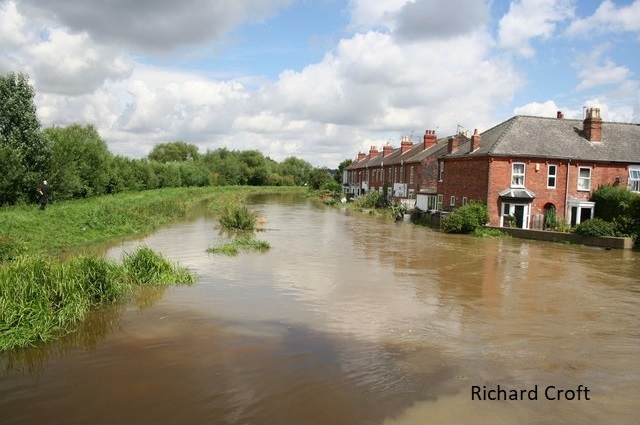
Vast swathes of low-lying land face increased risk of devastating floods after central funding for their protection is halted – unless local taxpayers cough up to cover costs.
The Environment Agency will in April end its funding for the maintenance of many areas’ flood defences after reprioritising which places should be protected.
The District Councils’ Network warns this will force councils to pick up the tab for work to keep river courses free from obstruction. Many local leaders say they face a backlog of river maintenance after the agency scaled back its work amid funding cuts and increased costs in recent years. Urgent expenditure is required to reduce flood risk.
Councils are calling for extra Government funding to cover the costs of river maintenance to reduce the hit on council tax payers and ratepayers. Without it, the work’s spiralling costs will leave councils with no option but to cut other local services, even if they raise council tax by the maximum permissible level.
Councils in the worst hit areas face multi-million pound bills which have risen by over a third in the past four years.
Analysis of the Environment Agency’s reprioritisation has been undertaken for two counties and gives examples of some of the specific areas that could be hit:
- Significant areas of land and small communities near the town of Horncastle in Lincolnshire, near the River Witham and its tributaries.
- Land and property in Somerset near Somerton, on the River Cary; near Glastonbury, on the River Brue; and near Langport, on the River Yeo. This could increase the prospect of a repeat of the county’s devastating 2014 flood which saw 10,400 hectares of land inundated.
Floods could hit smaller villages, make roads impassable, devastate local economies and agriculture, and damage the local environment, unless local taxpayers fund the work. Councils are expected to prioritise vital river maintenance work over other areas of expenditure.
Flood protection is undertaken by England’s 112 internal drainage boards (IDBs), whose work protects nearly a tenth of the country’s landmass. They are funded via councils through levies on council tax payers and on the owners of property including agricultural land.
The special levies paid by local taxpayers to IDBs, have risen by 32% to £52.4m annually in the four years to 2025-26. Although the Government has provided £5m to the councils most impacted for the current financial year, this is insufficient to keep up with rising costs and councils say the sum needs to be significantly increased.
The problem has largely risen through rising electricity standing charges for pumping stations and the Environment Agency’s cuts to routine maintenance.
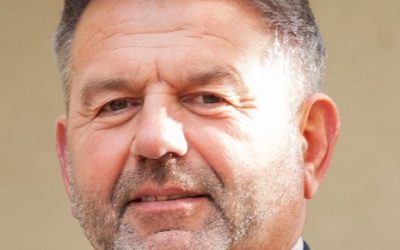
Cllr Paul Redgate, Chair of the Internal Drainage Boards Interest Group, said: “The withdrawal of funding for so many stretches of river amounts to cost-shunting from central government to already squeezed local taxpayers.
“If you are unfortunate enough to live in an area susceptible to floods you already face higher council tax and insurance bills – and Environment Agency cuts are going to hit you even harder. They’ll increase the likelihood of maximum council tax rises and force councils to shift spending away from other essential local services.
“Just to reassure everyone in our local community, we know how devastating flooding can be and, along with our partners, we will always seek to best protect communities, but this will mean less money available for other essential local services.
“We urge the Government to step in and provide extra funding for communities which, through no fault of their own, face growing risk of floods. The alternative could be catastrophic flooding and economic devastation. It’s a matter of fairness and common sense.”
Cllr Richard Wright, Chair of the District Councils’ Network and a councillor in Lincolnshire, said: “The sums of money required to maintain river maintenance are miniscule for national government – but rising costs can be devastating for individual district councils, giving them no option but to cut other services.
“The overall costs of flooding through the damage to property, devastation of local economies and the hit to agriculture would be enormous to the nation. Let’s get this maintenance work properly funded, with the costs borne fairly, sparing society and the taxpayer future misery and costs.”
Innes Thomson, Chief Executive of the Association of Drainage Authorities, said: “Most of these rivers are manmade channels designed to convey flood water but if they become clogged over time because of a lack of maintenance their capacity can be significantly reduced, dramatically increasing flood risk.
“There’s been a gradual reduction in maintenance carried out by the Environment Agency over the past 15 or 20 years, leaving councils with a significant bill to put things right.
“I am concerned that there’s been a significant amount of cost-shifting from central to local government and no transparency about it. You can’t simply walk away from flood protection without having agreed long-term plans for vital work to proceed.”
Notes to editors
- Since 2022/23, Internal Drainage Board Special Levies have risen by £12.62m.
- 22/23 – £39,752,119
- 23/24 – £45,919,512
- 24/25 – £49,942,230
- 25/26 – £52,374,520
- Following lobbying by the Internal Drainage Boards Special Interest Group (now 41 councils), the previous Government agreed to provide £3m of support to the most impacted councils while it implemented a longer-term funding solution. In the past year, this has increased to £5m but the focus on a longer-term funding solution has been delayed by a DEFRA review.
- The costs for council tax payers in certain authorities is significant:
| Council | Overall cost 2025-26 | Funding from Government | % cost increase on 2022-23 |
| East Lindsey District Council | £5.39m | £1.16m | 36% |
| Fenland District Council | £3.7m | £0.52m | 40% |
| South Holland District Council | £3.57m | £0.58m | 26% |
| Boston Borough Council | £2.93m | £0.64m | 38% |
- The special levy used to be funded by Government but with funding changes the full cost has moved onto councils. The only means of funding this is via council tax. The amount of money councils can raise via council tax is capped, forcing them to cut other services in order to pay for flood prevention.
- Lincolnshire’s Witham & Humber Drainage Boards group of four IDBs, which has 53 pumping stations, provides an example of rising utility costs. Its combined annual standing charge has risen from £13,000 in October 2020 to £200,000 in October 2023 following a standing charges review.